
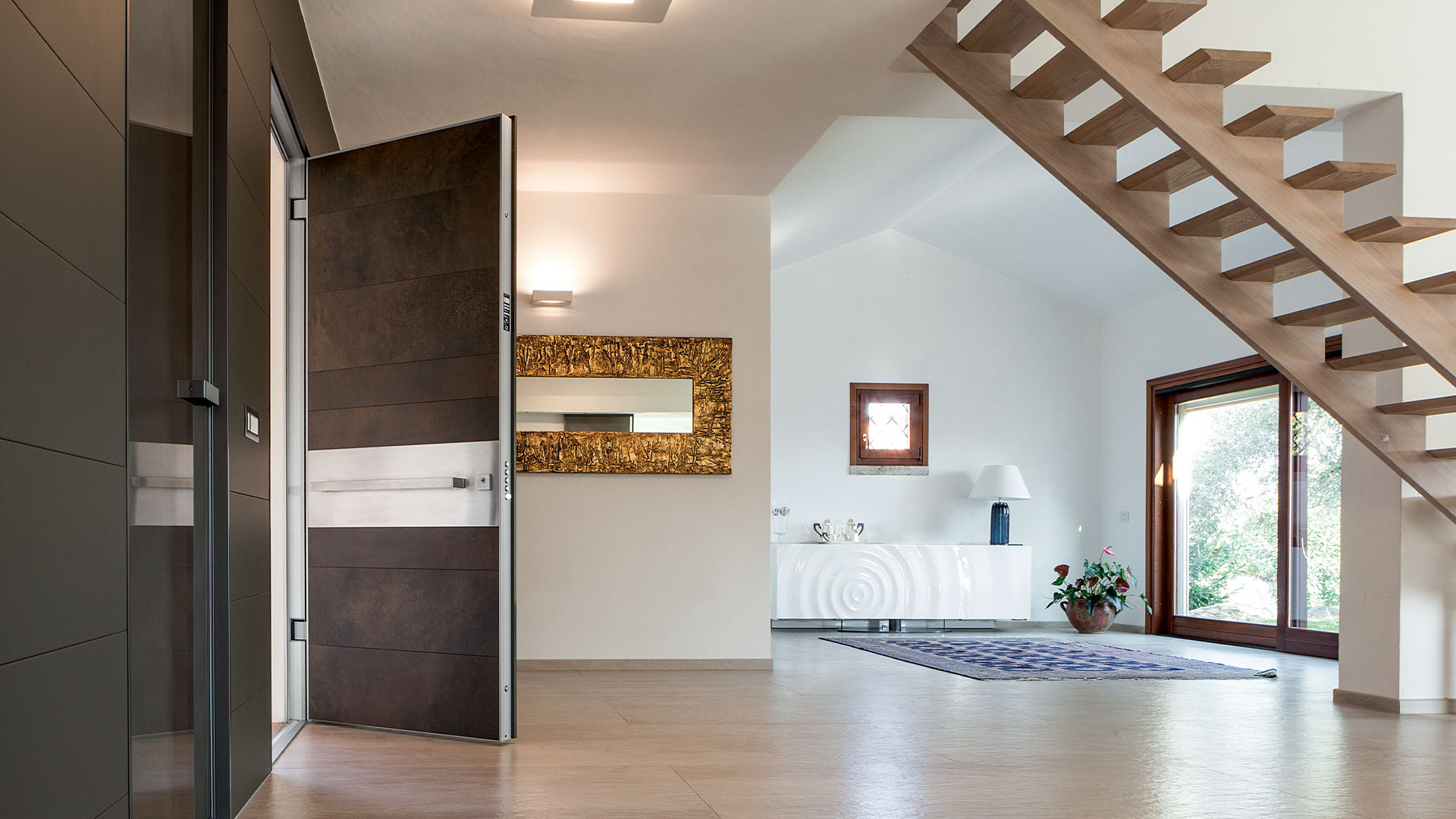
The Spatial and Psychological Drawbacks of Traditional Panic Rooms
For decades, residential security plans defaulted to carving out a tiny concrete closet deep inside the floor plan as a dedicated panic room. Architects routinely resist this approach because it surrenders prime square footage—space better devoted to sunlit living areas, dressing galleries, or wellness suites—to a sterile box a family hopes never to enter.
Worse still is the psychological reality of an emergency. Waking at two in the morning and herding children down an unfamiliar corridor toward a claustrophobic bunker induces acute disorientation. Once trapped inside a cramped room without daylight, communication, or comfort, waiting fifteen minutes for law enforcement feels interminable—especially if phones were left on a nightstand.
- Standalone bunkers consume valuable square footage without everyday livability
- Navigating hallways in the dark increases exposure if an intruder is already indoors
- Confined, airless closets amplify stress and panic during extended response waits
- Critical devices, medications, and family members are often separated from the shelter
Transforming the Primary Suite into an Everyday Private Refuge
Most homeowners worry far less about daytime alerts—when occupants are awake and aware—than nighttime vulnerabilities while sleeping. Fortifying the primary bedroom suite directly solves that concern. You are already inside the protected zone every night, surrounded by full climate comfort, en-suite facilities, dedicated communication lines, and familiar surroundings.
By anchoring a steel-armored primary suite entrance into reinforced structural framing, the bedroom becomes an immediate, seamless refuge. Locking down the suite requires a single bedside touch or automated nighttime schedule—transforming hours of vulnerable rest into genuine, uninterrupted peace of mind without changing how the home feels.
- Occupants already sleep inside the fortified perimeter when risk is highest
- Maintains immediate access to en-suite bathrooms, phones, and medical necessities
- Bedside smart-lock controls verify and engage multi-point locking bolts instantaneously
- Preserves natural daylight and architectural volume throughout everyday living
The Strategic Advantage of Hiding Armor in Plain Sight
Conspicuous vault doors immediately broadcast where a family retreats during a breach, inviting concentrated effort at a single threshold. Effective architectural security relies on visual discretion. When every interior corridor door shares identical stile-and-rail proportions, wood grain, and bronze hardware, an intruder cannot distinguish a fortified suite entrance from a linen closet or guest room.
Don't let the breathtaking beauty fool you — behind every bespoke finish is serious, high-level structural security. Handmade Italian craftsmanship allows armored hinged doors and interior pivot units to replicate existing custom millwork down to exact veneer stains, lacquer tones, and panel reveals, concealing heavy-gauge steel armor inside unmistakable elegance.
- Exact veneer and lacquer matching disguises armored doors among standard interior doors
- Concealed steel framing avoids bulky industrial jambs or vault-style wheel handles
- Multi-point locking bolts and anti-pry hinge pins resist heavy breaching tools
- Acoustic insulation blocks hallway noise while reinforcing nighttime privacy
Layered Interior Zoning for Families and High-Profile Residents
For multi-wing residences, family compounds, or principals in the public eye, interior fortification can scale naturally from a single primary suite to an entire upstairs corridor or children's bedroom wing. Placing one concealed armored door at the top of a staircase or private gallery hallway protects multiple bedrooms simultaneously with minimal architectural disruption.
Featuring Oikos Security Doors, every interior armored assembly integrates seamlessly with biometric readers, encrypted PIN pads, or home automation panels. Backed by architectural specification support from DVJ Consulting LLC, estates achieve quiet, comprehensive physical protection that feels like a five-star residence rather than a bunker.
- Wing-level armored doors can secure an entire private bedroom corridor at once
- Motorized smart-lock technology supports automatic nightly deadbolting routines
- UL 120 fire-rated options add life-safety containment between residential zones
- Zero compromise to interior design vision, ceiling lines, or furniture layouts
Automatic Closure and Self-Locking Peace of Mind
Even the strongest bedroom door cannot protect occupants if it is accidentally left ajar or unlatched before sleep. High-profile intrusion cases have repeatedly shown how a single unlocked latch undermines an entire home's perimeter investment. Concealed hydraulic closers paired with motorized smart-lock actuators eliminate human oversight every single evening.
Once the primary suite door swings shut, optical sensors verify frame alignment and silently extend steel multi-point locking bolts into the header, floor, and strike jamb. From the inside, a single emergency egress lever releases all bolts effortlessly—combining fail-safe life safety with uncompromising forced-entry protection.
- Concealed door closers ensure the leaf always returns cleanly to the latched position
- Motorized deadbolting eliminates nightly lock-checking routines across large suites
- Panic-safe interior egress hardware unlocks all multi-point bolts in one natural motion
- Supports quiet nocturnal living while maintaining effortless daytime circulation